SommShelf is reader-supported. When you buy through links on this page, I may earn a commission at no extra cost to you. How this works.
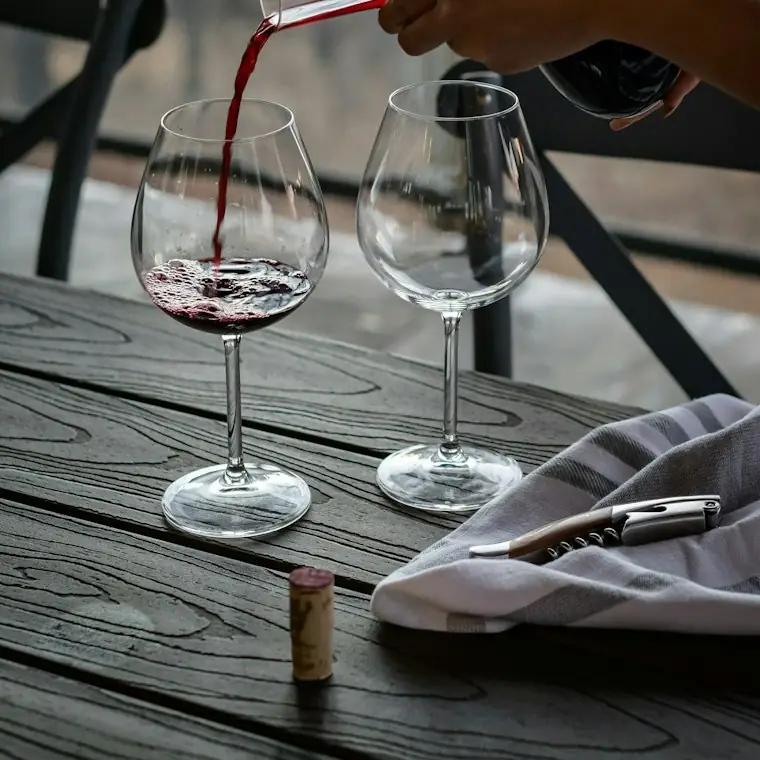
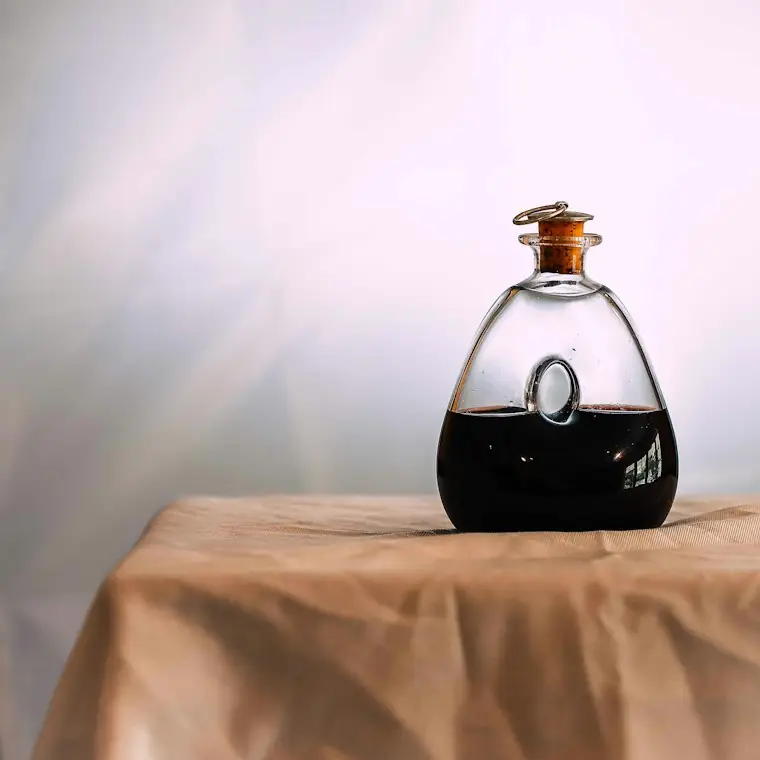
A decanter does two different jobs. For a young red it adds air, so the wine opens up and the tannins soften. For an old red it separates the wine from its sediment. The right shape depends on which job you need most.
At a glance
| Pick | Product | In one line | |
|---|---|---|---|
| Best everyday | Riedel Cabernet Decanter | Compact, easy to pour and easy to clean | Price → |
| Best splurge | Riedel Ultra Decanter | Wide-based crystal for big, young reds | Price → |
| Best for the dishwasher | Zwiesel Glas Pure Decanter | Tritan crystal that survives everyday life | Price → |
| Best value | Bormioli Rocco Loto Decanter | Italian glass with a stopper, at a fair price | Price → |
| Best budget crystal | Le Chateau Crystal Wine Decanter | Lead-free crystal, a popular entry point | Price → |
A wide, flat base exposes more wine to air, which is what young, powerful reds need. A narrower decanter with a smaller surface is gentler, which is what older, fragile wines need. If you only buy one, choose a medium base that does both reasonably well.